Which martial art is the best? The question cannot be answered, and any text that tries is selling you something. A different comparison makes sense: which distance is trained, how much body contact is involved, how quickly beginners get into it and which goal the sport serves best. That is exactly what this section is about.
How martial arts differ
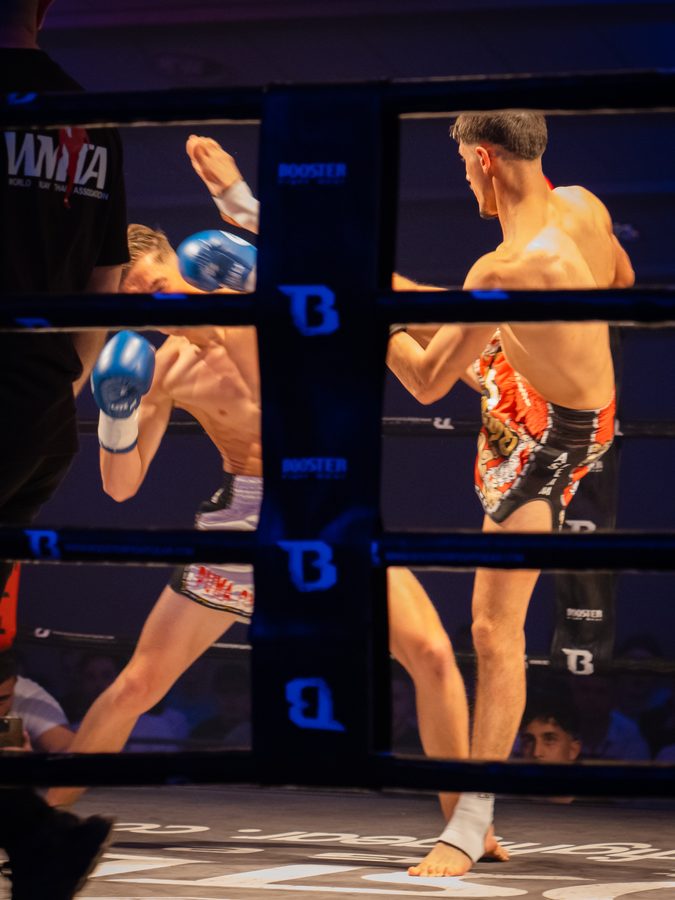
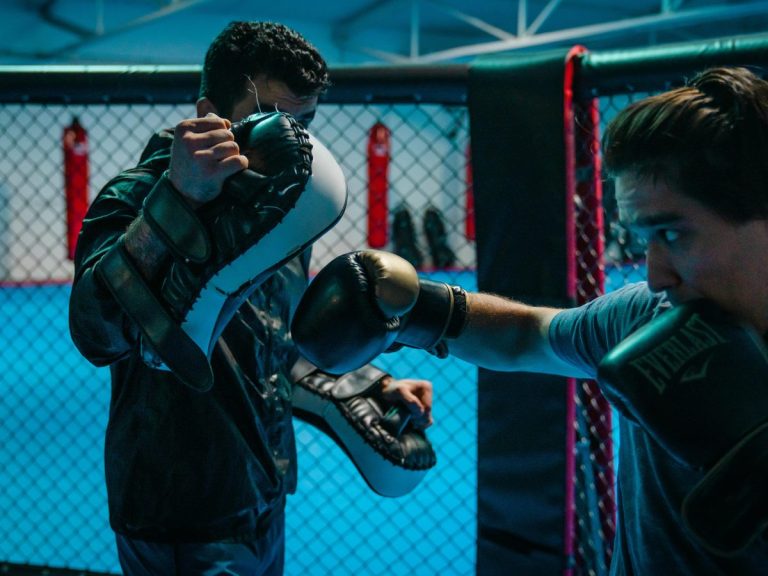
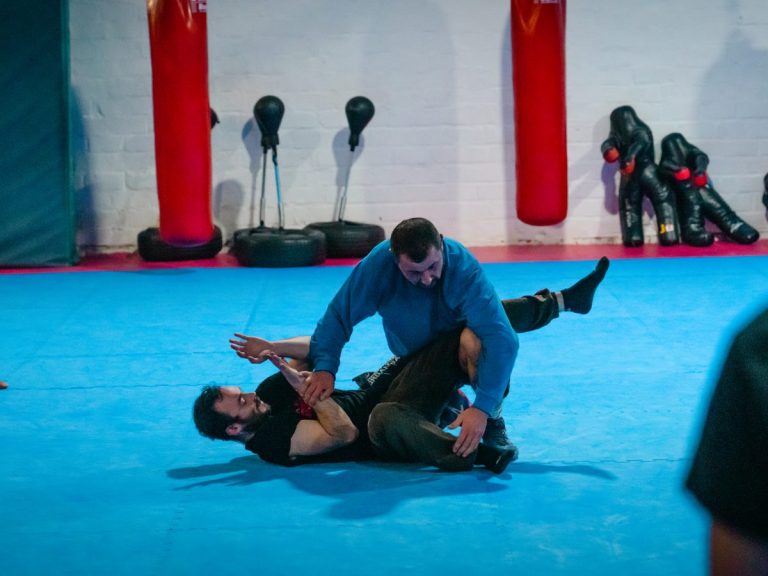
Three features separate the sports more clearly than any ranking. The distance: boxing and kickboxing work at punching range, Wing Chun at very close range, grappling in body contact on the ground. The level of contact: in some classes sparring is a fixed part, others deliberately do without it. The number of tools: boxing uses the fists, kickboxing adds the legs, MMA combines striking, kicking and ground fighting. The more areas a sport covers, the longer it takes to become confident in each of them.
Which comparisons appear here
The texts put two sports side by side and answer the same questions: what is trained, who is it suited to, how demanding is it, how quickly does progress show. Boxing or kickboxing is the most common question from beginners. Kickboxing versus MMA and MMA versus BJJ interest those who already do a sport and want to broaden it. Wing Chun versus kickboxing shows the biggest difference in principle: reflex and structure on one side, distance work and competition format on the other.
Compare, then try
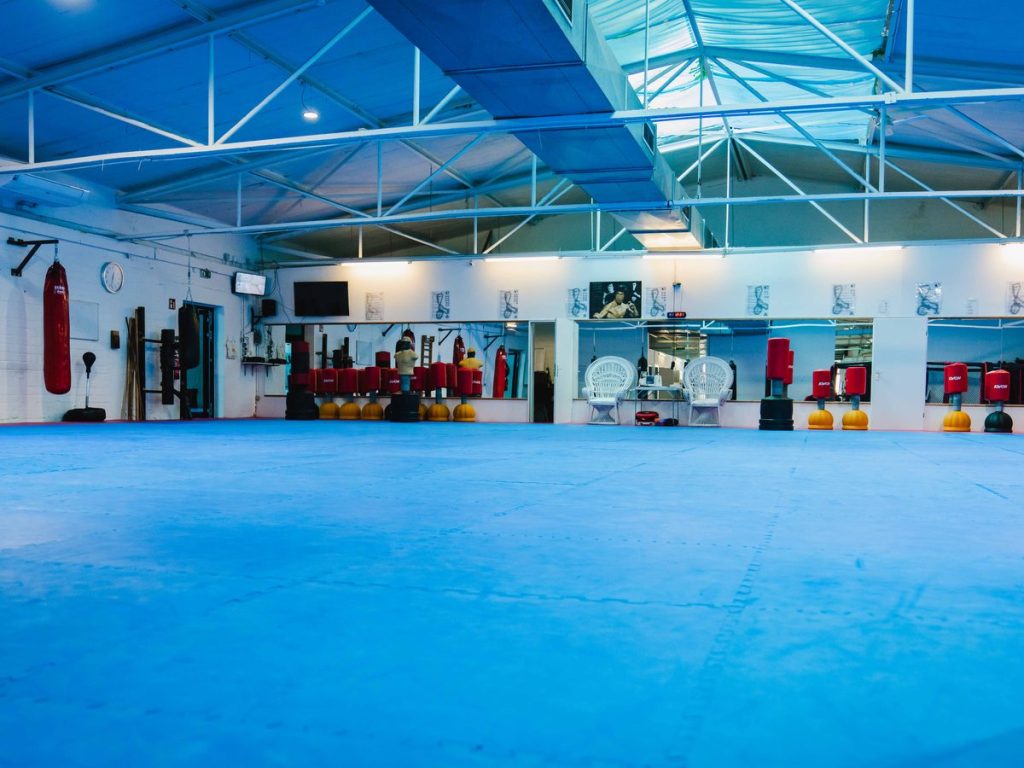
An honest comparison always ends with the same advice: try both sports that interest you. One hour on the mat says more than ten texts. At the Shouraki martial arts school and fitness centre in Aachen, the compared sports run as separate classes: Boxing in Aachen, Kickboxing in Aachen, MMA in Aachen, BJJ, grappling and ground fighting and Wing Chun in Aachen. All are open from the age of 16 and can be tried one by one instead of deciding on a direction beforehand.
The classes to compare: Martial arts in Aachen.